
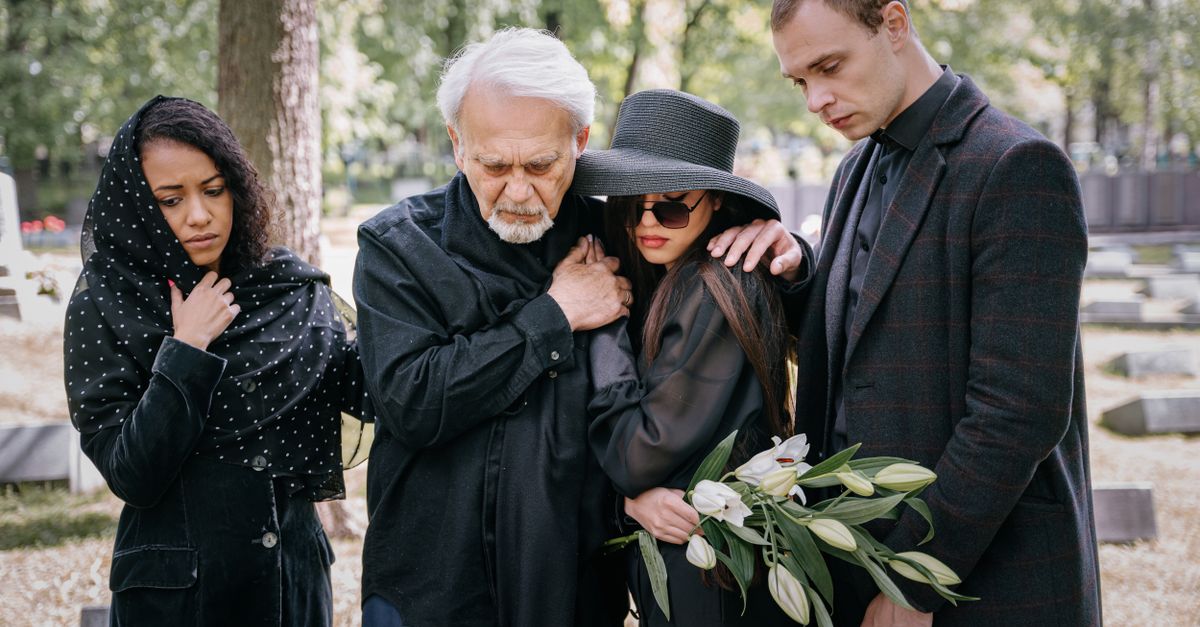
You lost the man who showed you how to be a dad. Now you're supposed to figure out the rest of it alone — while making school lunches and not crying in the car.
There's almost no content written for this specific moment. The grief content assumes you have a partner at home. The parenting content assumes your biggest problem is screen time. And the silence between those two worlds is part of what makes this so heavy.
This is that space. And it's worth naming clearly before we go any further.
The Double Bind Nobody Names
When your dad dies, something shifts in your sense of position. One episode of the Dead Dads podcast describes it plainly: when your dad goes, you become the roof. The generation above you is gone. You're now the top of the structure.
When you're the only parent your kids have, you're not just the roof. You're the whole house. Foundation, walls, windows. The thing that keeps the weather out. And you just lost the person who taught you how to build.
That's not metaphor padding. That's the actual cognitive and emotional load men in this situation carry. You are simultaneously absorbing a loss that would floor most adults and being required to function as the primary — and only — stabilizing presence in your children's lives. There is no shift change. No one takes over at nine o'clock so you can sit with it.
The grief doesn't go away because it's inconvenient. It waits. It collects in the spaces between bedtime stories and permission slips. And the longer it waits, the stranger it gets.
The pressure to suppress it in front of your kids is real, and it's not entirely wrong. Kids do take cues from their primary parent. If you're visibly falling apart, they feel unsafe. But there's a version of emotional suppression that becomes something much more damaging than temporary composure — and most men who've been through this can describe it with precision. You start doing the mental math: I can't break down because there's no one to pick up the slack. Then you just... don't break down. And you don't. And you don't. Until something small at a hardware store undoes you completely.
The bind isn't just emotional. It's logistical. There is no moment when you're not on duty. Grief, for most people, needs space to move. It needs bad afternoons where you're not accountable to anyone. Single parents don't get those by default. Every bad afternoon has a kid in it.
Why This Particular Grief Tends to Go Sideways
Isolation doesn't create grief, but it changes how grief moves through a person. Or more accurately, whether it moves at all.
With a co-parent, there's someone in the house who knew your dad. Who can sit with you when the house is quiet. Who can take over when you're not okay, no explanation needed. Who might notice before you do that something is wrong. Single-parent grief after father loss removes all of that. The witness is gone. You are alone with your experience in a very complete way.
One listener put it directly in a review: *